
You have been making the same dua for months. Maybe years. And you wonder: is Allah listening? Is anything happening? Am I wasting my breath?
The answer from the Quran and Sunnah is clear and comforting: Allah always hears. And there are signs — real, recognizable signs — that your dua is not just going into the air.
First: Understanding How Duas Are Answered
The Prophet ﷺ said something that reframes everything about dua and its answers:
"There is no Muslim who calls upon Allah — not asking for sin or the severing of family ties — except that Allah gives him one of three things: either He answers his dua quickly, or He stores it for him for the Day of Judgment, or He removes an equivalent harm from his path." — (Ahmad, Tirmidhi 3573, authentic)
Every dua is answered. Always. The form of the answer varies — but the response never fails. When the companions heard this, they said: "Then we will make more dua." The Prophet ﷺ replied: "Allah is more abundant in giving." With this understanding, the question changes from "will my dua be answered?" to "how is my dua being answered right now?"
Sign 1: You Feel the Urge to Make This Dua
The scholars say that the ability and desire to make dua is itself a sign of Allah's mercy. Ibn Al-Qayyim wrote that when Allah wants to answer a servant's prayer, He first causes them to ask. The very feeling of wanting to turn to Allah — that pull toward prayer — is not random. It is Allah opening a door.
If you find yourself consistently driven to make a specific dua — returning to it again and again, unable to let it go — this persistence may not be desperation. It may be a sign that Allah has already planned to respond to it, and is keeping that longing alive in you until the time arrives.
Sign 2: You Feel Peace or Calm After Making Dua
When you finish making a dua and feel — not just relief from having said the words, but a genuine settling of the heart, a quiet certainty — this is a sign worth noting. The Prophet ﷺ said: "Call upon Allah and have faith that He will answer you." — (Tirmidhi 3479). The peace that sometimes follows sincere dua is not coincidence. It is the mark of a heart that has genuinely connected with its Lord and received something — if not yet the visible answer, then the assurance that the request has been received.
Sign 3: You Notice Protection and Ease in Your Path
One of the three ways duas are answered is that an equivalent harm is removed. This is subtle — you rarely know what disaster was redirected, what illness was prevented, what harmful situation was cancelled because of your dua. When things are going smoothly, when you are protected from things you didn't even know were coming — consider that your duas may be actively at work in ways invisible to you. The absence of harm is itself an answer.
Sign 4: Your Heart Softens During Dua
The Prophet ﷺ said: "When you find your heart soft during dua, know that you are being responded to." — (As-Suyuti). When tears come, when the dua becomes genuinely emotional and sincere, when you feel a depth of connection to Allah during the prayer — these are signs that your heart is open and Allah is close. The softening of the heart in dua is one of the most beautiful indicators of divine response. A heart that cannot feel is a heart that has drifted. A heart that softens in His presence is a heart He is close to.
Sign 5: The Answer Comes Through Unexpected Means
Allah said in the Quran about those who have taqwa:
"And whoever has taqwa of Allah — He will make for him a way out and provide for him from where he does not expect." — Surah At-Talaq (65:2-3)
When provision, help, or solutions come from unexpected directions — a stranger's offer, a sudden opportunity, an unexpected phone call, a door that opened when a different door closed — recognize the hand of Allah answering what your tongue asked for. He did not say He would answer from where you expect. He said He would provide from where you do not expect. Watch for Him in the unexpected.
The Best Conditions for Accepted Dua
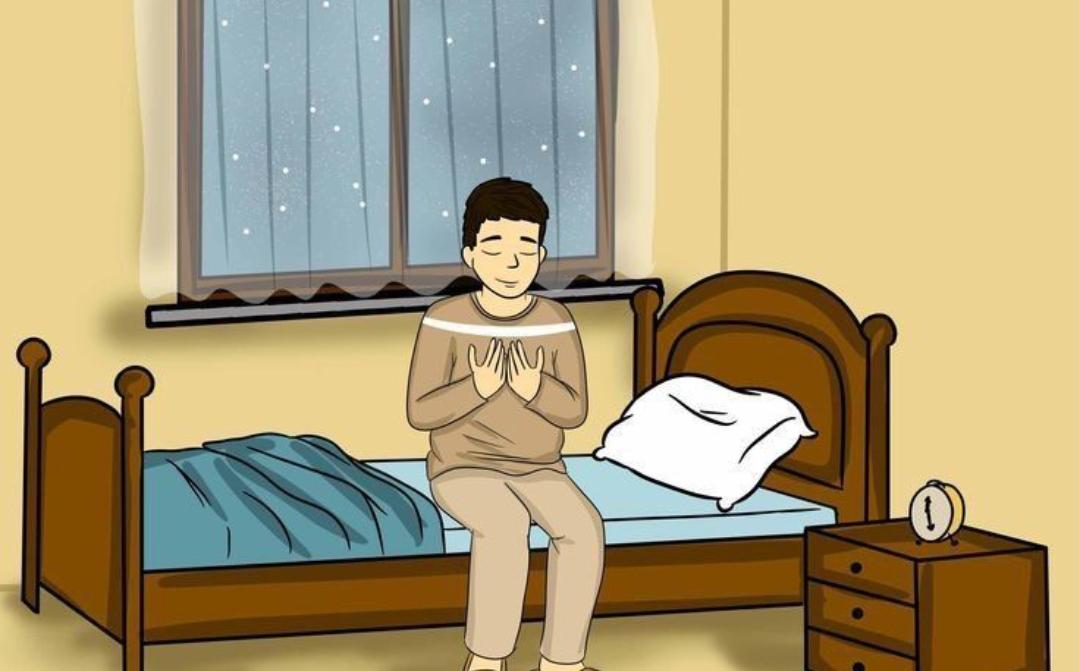
While Allah can accept any dua at any time, the Prophet ﷺ mentioned specific times when acceptance is most likely: the last third of the night, between the adhan and iqamah, on the Day of Arafah, when it is raining, and when you are in prostration — the closest you are to Allah in any position.
Keep making your dua. Keep returning to it. And remember: when the companions said they would make more dua after hearing how it is answered, the Prophet ﷺ did not say "be careful not to ask too much." He said: Allah is more abundant in giving. You cannot outask His generosity.

Comments
Loading comments...
Leave a Comment